Featured
Table of Contents
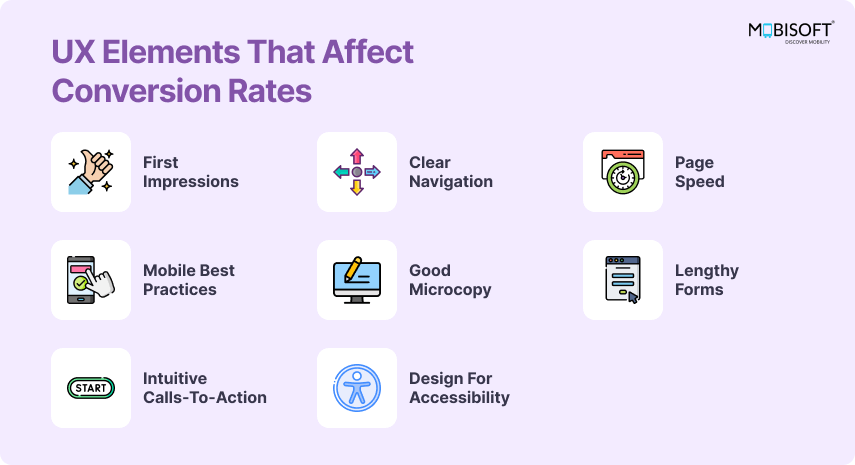
Mobile optimization includes: Touch-friendly navigation and button sizing Quick filling times on mobile networks Simplified checkout procedures for smaller sized screens Mobile-specific payment choices like Apple Pay Responsive style that adjusts to different screen sizes Evaluate checkout procedures on smart devices and enhance page speed for mobile users. Mobile users often have different behavior patterns and expectations compared to desktop users.
Our organized technique combines quantitative data analysis with qualitative user research to determine optimization chances. By analyzing session recordings, we recognized particular friction points in the buying process and executed targeted services.
We focused on minimizing type fields while keeping lead quality and adding consumer reviews at key decision points. Our luxury furnishings retailer enhanced conversion rates by 7.1% through customer reviews and site design improvements.
Lessons From Successful UX Case StudiesTypical success elements include: Data-driven decision using analytics tools Methodical testing approach with appropriate statistical analysis Focus on user experience and friction reduction Strategic positioning of trust signals and social evidence Continuous optimization based upon screening results Use Google Analytics and other analytics tools to identify where visitors exit your website and which pages have the greatest bounce rates.
Typical drop-off points include: Item pages lacking customer evaluations or detailed information Checkout processes with too many actions or required fields Types asking for excessive personal information Pages with slow packing times or poor mobile experiences Rates pages without clear value proposals Map the complete customer journey from very first see to conversion and beyond.
The Proven Business Innovation Framework for Success
Focus on checkout procedure optimization and trust signals placement based on user behavior analysis. File baseline conversion rates, typical order worths, and client feedback metrics to determine enhancement over time.
Focus on consumer journey optimization, constant user screening, and comprehensive funnel analysis for sustainable development. Long-term CRO method consists of: Quarterly conversion rate audits and optimization planning Continuous user testing and feedback collection Advanced division and personalization application Cross-device and cross-channel optimization Combination with other digital marketing projects ROI measurement and business effect analysis Complex conversion rate optimization needs proficiency in analytics tools, screening approaches, customer psychology, and technical implementation.
Our holistic method consists of detailed funnel analysis, user testing, session recordings analysis, and strategic execution of consumer evaluations and trust signals to maximize your conversion rates and profits growth. Professional CRO agencies offer: Advanced analytics setup and information analysis Structured screening method and statistical analysis User experience research and optimization recommendations Technical implementation of screening tools and tracking Ongoing optimization and performance monitoring Strategic planning aligned with organization goals Conversion rate optimization is a vital digital marketing method that transforms website visitors into clients through strategic screening and optimization.
Analyzing Impactful Design Projects for Success
Success in CRO requires a mix of analytics tools, testing methods, and user experience expertise. Whether you carry out optimization methods in-house or deal with a professional conversion rate optimization firm, the key is preserving velocity through continuous enhancement and quantifiable results. Start with fast wins like including consumer reviews and enhancing checkout processes, then establish a long-term method that includes regular screening, user feedback collection, and extensive funnel analysis.
Today, the web has more than 1.1 billion websites operating across more than 271 million unique domains. That's a nearly unfathomable number of pages contending for a limited quantity of traffic, views, and clicks. If you're getting your reasonable share of them, congratulations you're on the right course. Simply getting visitors to your site isn't enough, especially if you're running any type of organization.
Lessons From Successful UX Case StudiesAnd you need to do this effectively and efficiently. Among the finest ways to do that is by carrying out a conversion rate optimization (CRO) strategy. If you do this right, you'll not just enhance your quality of leads, however you'll also increase profits and lower your consumer acquisition expense.
In this piece, we'll dig much deeper into CRO, discuss why you ought to care about it, and offer some finest practices for optimizing your conversion rate. Conversion rate optimization is the systematic process of increasing the percentage of users and visitors who take a specific action on your site, social channels, or other internet marketing campaigns.
You require to comprehend how they navigate your website, connect with your material, and ultimately take action. Conversions can be any number of things, but some of the most common are: Making a purchase.
Refining Your Business Portfolio to Win Leads
Downloading a piece of content. Turning an occasional client into a regular consumer. In other words, a conversion can be any action a user carries out that results in you collecting their information, making a sale, or otherwise getting insight into how they engage with your projects. Okay, you might be stating right now, I get the value of CRO as an overall part of a digital marketing method, however what does this relate to SEO? A lot, actually, both for SEO professionals and the organizations they work for.
A boost in engagement metrics can supply important insights into your projects' efficiency and what attracts users to do something about it. CRO causes higher conversion rates, which suggests you are getting more bang for your marketing buck. It allows you to land more clients without necessarily generating more traffic or increasing your marketing budget plan.
And this, in turn, improves your overall marketing efforts and content. It helps you be better prepared to reach the right kinds of consumers with the right messaging at the correct time. Lots of conversions need users to provide their contact info (e-mail address, name, telephone number, and so on) in exchange for material like an ebook or info about your services.
CRO helps you construct client trust and leaves a favorable impression on potential consumers. Even the greatest markets only have a limited pool of prospects you can tap into and the more specialized your specific niche, the smaller sized that pool is. CRO allows you to take advantage of your existing audience (i.e., traffic) to attract brand-new consumers.
Building Better Marketing Case Studies to Win Clients
Before we can get optimizing, we require to very first discuss how to reach your conversion rate. Don't stress no higher mathematics is needed. The conversion rate is computed by dividing the variety of conversions by the overall number of users or site visitors, then increasing this figure by 100 to generate a portion.

Latest Posts
Managing Digital Identity in the Era of AI
Building Lasting Brand Authority for the Next Era
How AI Is Redefining PR Success